Active learning excellence
Regional winner APAC
Discussion and peer feedback on game design concepts
How Sebastian Pahs at Hong Kong Baptist University turns students from passive receivers of feedback into active judges of what makes feedback useful.

Sebastian Pahs
Hong Kong Baptist University
The challenge
In group projects, feedback often travels in one direction: students receive comments on their draft, read them quickly and move on. That makes it hard for them to learn what useful feedback looks like, or to use the ideas of other groups to improve their own work.
The redesign
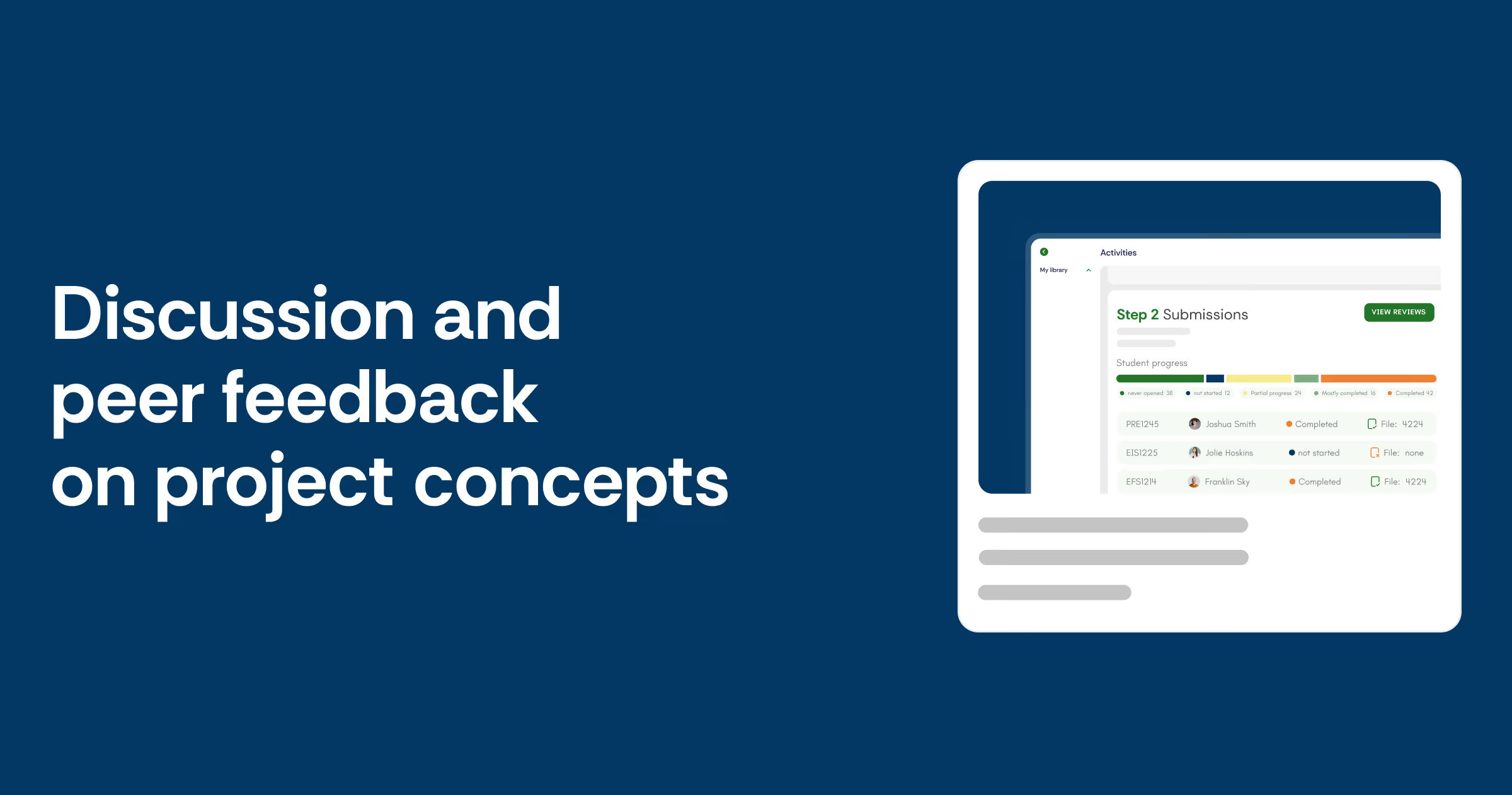
Sebastian Pahs designed an activity in which each group submits a short description of its game design concept, based on the course concepts. Every student then reviews and comments on the concepts of other groups, pointing out their strengths and the areas they could improve.
The key step comes next, because each group does more than receive comments. Students read the feedback on their own concept and nominate the insights that helped them most. They are graded on their submission, their part in the discussion and the feedback they nominate, so judging feedback becomes part of the work.
Concepts are submitted as a group while the discussion is individual, which encourages students to learn across groups. Anonymity can be switched on for both submitters and reviewers, so students feel free to give honest and constructive comments.
What changed
Students practise giving specific, actionable feedback and learn to recognise the comments that really move their work forward, a skill they can use well beyond this course.

Try it yourself
Use this design in your own course
Sebastian's learning activity is published as a template in the Learning Design Community, so you can explore it, download it and adapt it for your own students.
Try the templateWant advice on how to implement this in your own course?
We'd love to help you think it through.
Book a demoWe'd love to help you think it through.
Continue the story


Join us at InspirED
InspirED 2026 is the LDC Awards ceremony. Celebrate the winners with us on 3 December, in Brisbane or online.
What could this mean for
your institution?
Every winning design began with an educator who wanted something better for their students. If you would like to explore how the Learning Design System could help your institution design better teaching and build evidence of true learning, we would love to talk with you.
Book a demo
