Leveraging AI in learning design
Regional winner Americas
Beyond the first AI answer: compare, verify and explain
How Fanny Tsai at UC Irvine teaches students to treat an AI answer as a starting point, by comparing, verifying and explaining what they read.
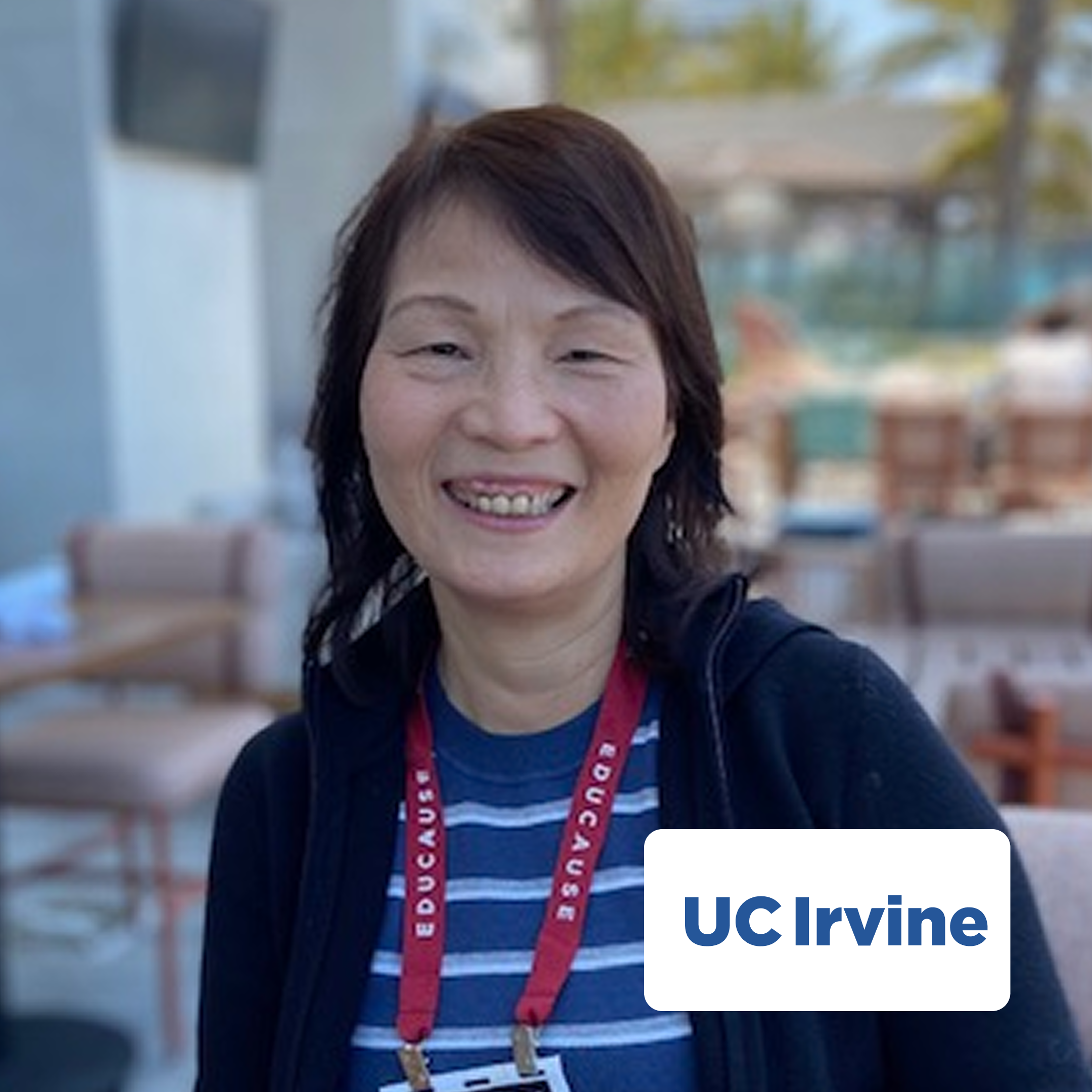
Fanny Tsai
UC Irvine
The challenge
When students ask an AI tool to summarise a reading, it is tempting to accept the first answer. That answer can sound convincing while being inaccurate, oversimplified or incomplete, and many students have not yet built the habit of checking it against the original source.
The redesign
Fanny Tsai asks students to summarise the same scholarly source with three different generative AI tools. They compare the outputs for accuracy, clarity, completeness and usefulness, and then verify the most important claims against the original text.
Using their own disciplinary knowledge, students then create a short explainer of one key concept, claim or question for an intended audience, as a written response, narrated slides or a video. This step asks them to put the ideas into their own words instead of passing on an AI summary.
Finally, students review the explainers of two classmates with the CAAA criteria: clarity, accuracy, accessibility and audience alignment. Each review names one strength and one specific suggestion, and instructors can adapt the source, tools, audience and format to any discipline or level.

What changed
Students learn to use AI as a starting point rather than a final answer, while practising source verification, clear communication and constructive peer feedback in one activity.

Try it yourself
Use this design in your own course
Fanny's learning activity is published as a template in the Learning Design Community, so you can explore it, download it and adapt it for your own students.
Try the templateWant advice on how to implement this in your own course?
We'd love to help you think it through.
Book a demoWe'd love to help you think it through.
Continue the story


Join us at InspirED
InspirED 2026 is the LDC Awards ceremony. Celebrate the winners with us on 3 December, in Brisbane or online.
What could this mean for
your institution?
Every winning design began with an educator who wanted something better for their students. If you would like to explore how the Learning Design System could help your institution design better teaching and build evidence of true learning, we would love to talk with you.
Book a demo
